A pilot project to introduce STEM and PBL approaches into education has been launched in the Karaganda region
# News
21 September, 2025
A pilot project to introduce STEM education into the supplementary education system has been launched in the Karaganda region. The initiative aims to transform hobby groups and clubs into modern child development centers where students can master robotics, programming, artificial intelligence, and even create their own media formats.
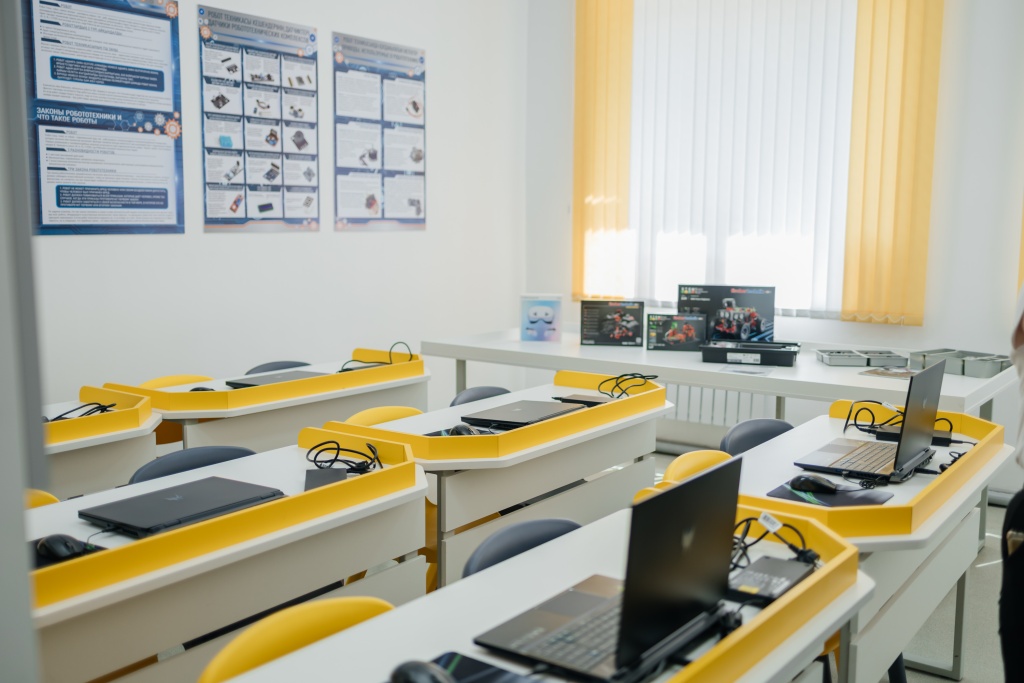
Today, there are over 2,000 supplementary education organizations operating in Kazakhstan, covering about 1.15 million children. However, according to experts, many institutions, especially in rural areas, remain with outdated material bases and limited opportunities for developing engineering and STEM directions. Equipment in the regions is supplied on a residual basis, teachers rarely have access to regular training, and data on supplementary education is often outdated and fragmentary, which complicates planning and sector development.
A new project, developed by the Education Development Support Fund (EDSF) in partnership with the Education Department of the Karaganda region with financial support from the "Қазақстан халқына" Foundation and administrative support from Aitas, is designed to change the situation. Its main goal is to test a model for comprehensive system renewal and subsequently scale it to other regions of Kazakhstan.
EDSF Project Manager Rustem Yermekov emphasized that this is a pilot initiative aimed at showing how supplementary education can be used to further interest children in learning.
“School provides the foundation, and supplementary education allows those who want to delve deeper into specific directions to find opportunities for it. But funding for this direction often goes on a residual basis: if funds remain, they are allocated for equipment. Out of the seven institutions included in the project, only two had minimal equipment. One of the facilities has not been updated since the 80s and relied solely on the enthusiasm of the teachers,” he said.
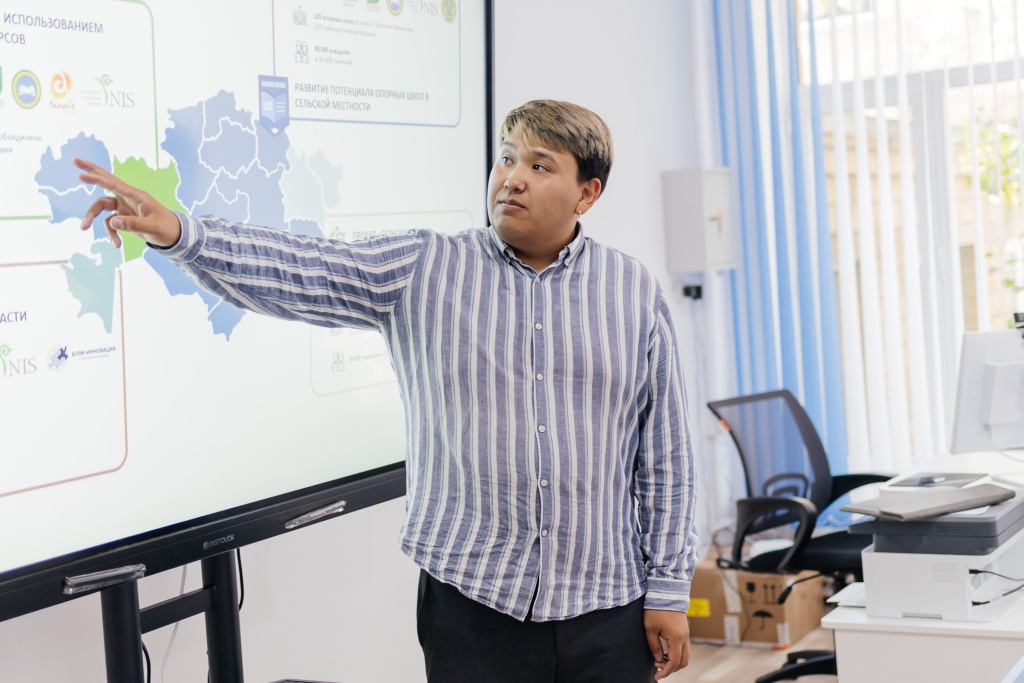
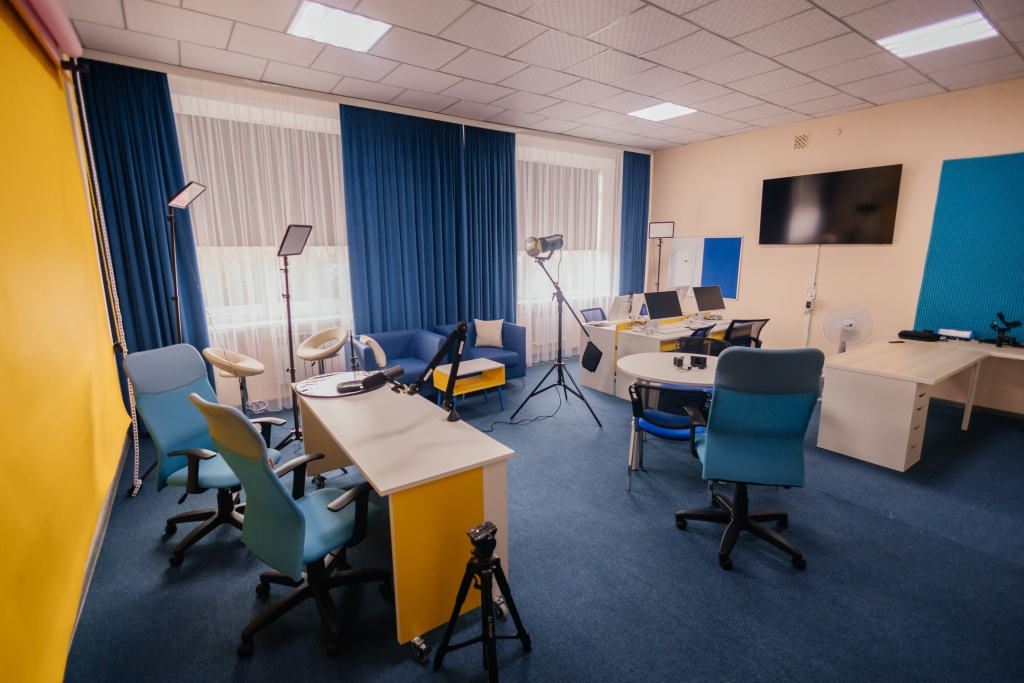
According to Yermekov, new formats are being created within the project: artificial intelligence laboratories, TV studios, and podcast recording venues. All of this, he says, will allow children not only to develop skills, but also to take their first steps in career guidance.
The methodological foundation of the initiative became the STEM approach and project-based learning (PBL), which develop systemic thinking and practical skills in children. Seven supplementary education organizations in the Karaganda region, ready for deep transformation, were selected for the project's implementation.
Each institution will receive modern laboratories for robotics, VR, sound recording, TV studios, and more. Concurrently, teachers will undergo training to effectively introduce new clubs. The project partners include Varwin (virtual reality), Artisan (robotics), MediaSchool (media formats), and Kazdidac (professional development).
The project started in July 2024 and will run until December 2025. Over this period, it is planned to open 26 new clubs, modernize 43 existing ones, and involve over 7,000 children. The outcome will be a collection of best practices for disseminating the model nationwide. The total project budget is 712.8 million tenge.
The launch of the STEM initiative in the Karaganda region has become an important step toward rethinking the role of supplementary education in Kazakhstan. The project demonstrates that with partnership and the introduction of modern methodologies, clubs can become true laboratories of the future for engineers, inventors, and creators.
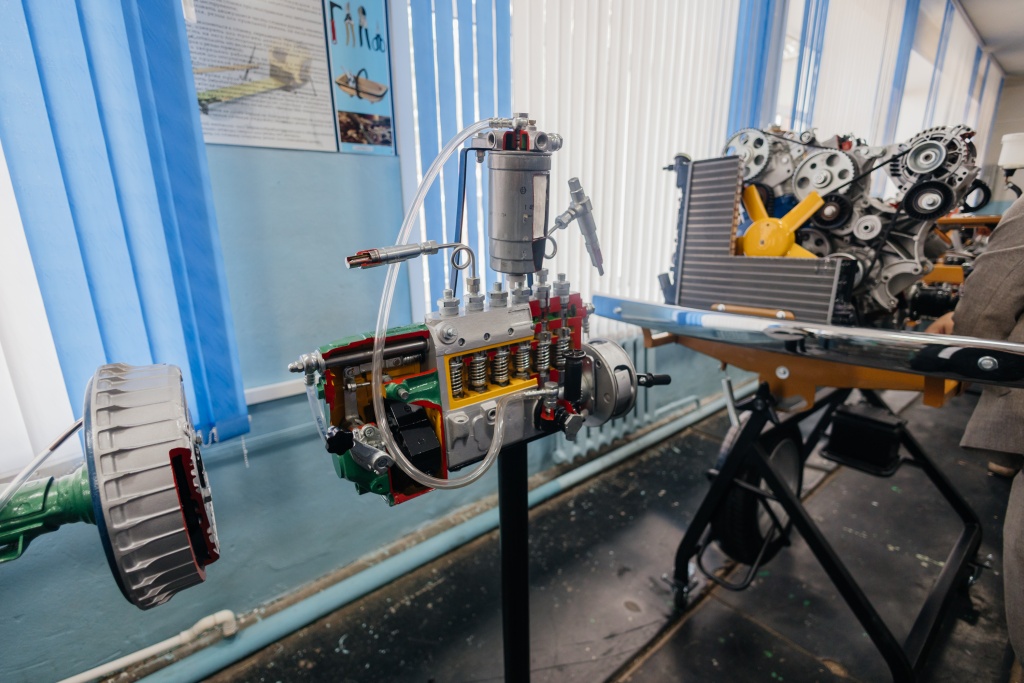
Today, there are over 2,000 supplementary education organizations operating in Kazakhstan, covering about 1.15 million children. However, according to experts, many institutions, especially in rural areas, remain with outdated material bases and limited opportunities for developing engineering and STEM directions. Equipment in the regions is supplied on a residual basis, teachers rarely have access to regular training, and data on supplementary education is often outdated and fragmentary, which complicates planning and sector development.
A new project, developed by the Education Development Support Fund (EDSF) in partnership with the Education Department of the Karaganda region with financial support from the "Қазақстан халқына" Foundation and administrative support from Aitas, is designed to change the situation. Its main goal is to test a model for comprehensive system renewal and subsequently scale it to other regions of Kazakhstan.
EDSF Project Manager Rustem Yermekov emphasized that this is a pilot initiative aimed at showing how supplementary education can be used to further interest children in learning.
“School provides the foundation, and supplementary education allows those who want to delve deeper into specific directions to find opportunities for it. But funding for this direction often goes on a residual basis: if funds remain, they are allocated for equipment. Out of the seven institutions included in the project, only two had minimal equipment. One of the facilities has not been updated since the 80s and relied solely on the enthusiasm of the teachers,” he said.
According to Yermekov, new formats are being created within the project: artificial intelligence laboratories, TV studios, and podcast recording venues. All of this, he says, will allow children not only to develop skills, but also to take their first steps in career guidance.
The methodological foundation of the initiative became the STEM approach and project-based learning (PBL), which develop systemic thinking and practical skills in children. Seven supplementary education organizations in the Karaganda region, ready for deep transformation, were selected for the project's implementation.
Each institution will receive modern laboratories for robotics, VR, sound recording, TV studios, and more. Concurrently, teachers will undergo training to effectively introduce new clubs. The project partners include Varwin (virtual reality), Artisan (robotics), MediaSchool (media formats), and Kazdidac (professional development).
The project started in July 2024 and will run until December 2025. Over this period, it is planned to open 26 new clubs, modernize 43 existing ones, and involve over 7,000 children. The outcome will be a collection of best practices for disseminating the model nationwide. The total project budget is 712.8 million tenge.
The launch of the STEM initiative in the Karaganda region has become an important step toward rethinking the role of supplementary education in Kazakhstan. The project demonstrates that with partnership and the introduction of modern methodologies, clubs can become true laboratories of the future for engineers, inventors, and creators.
Другие новости
# News
10.10.2026
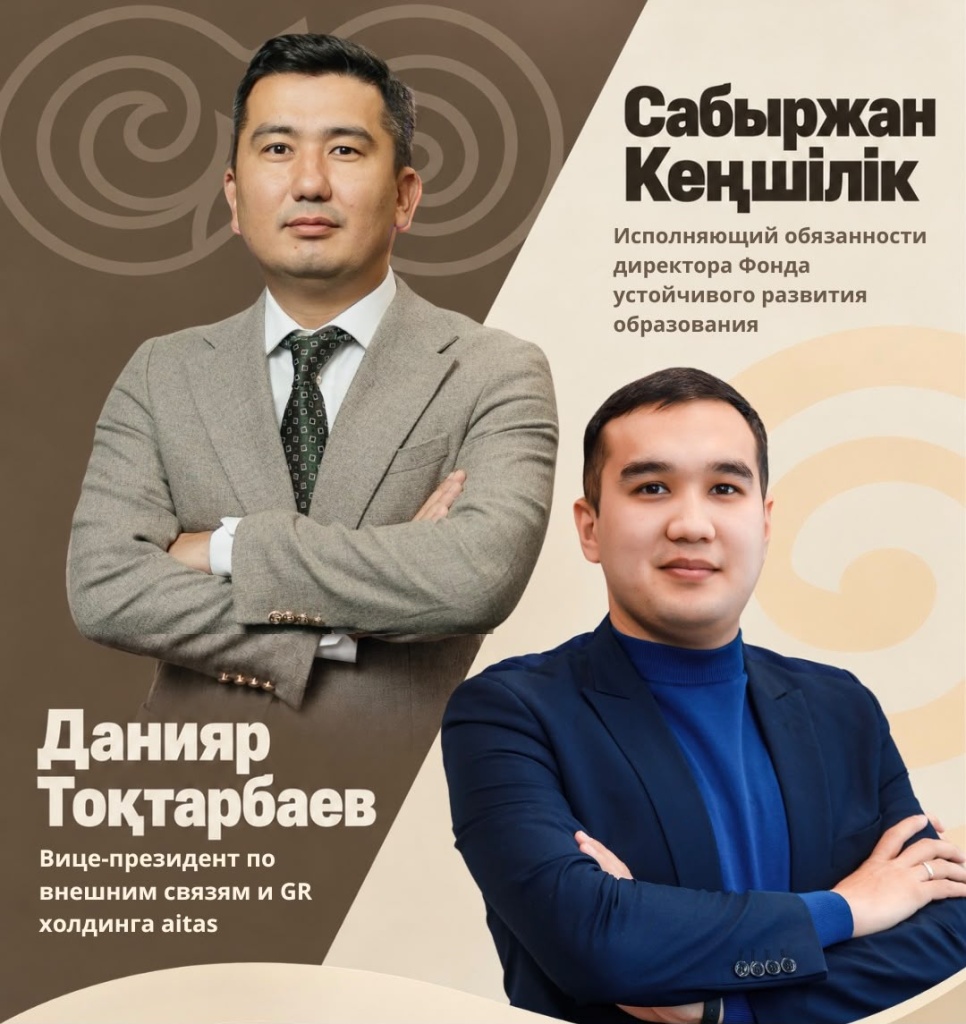
Sabyrzhan Kenshilik appointed acting director of FURO
There have been personnel changes at the Foundation for sustainable development of education (FURO), part of the aitas foundation. Sabyrzhan Kenshilik, who previously headed the project “Capacity building of hub schools in rural areas,” has been appointed acting head of the fund.
# News
01.10.2026
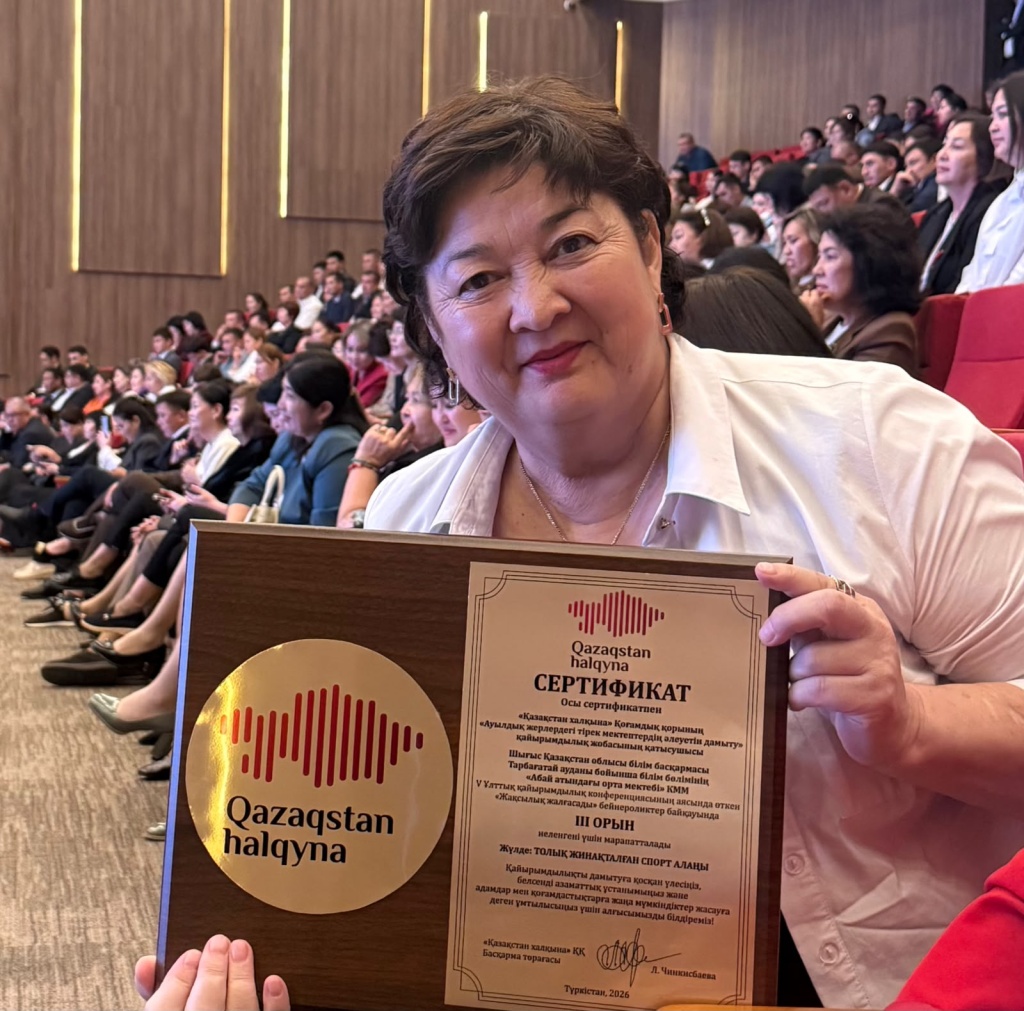
Kazakhstan’s hub schools to get sports infrastructure worth 194 million tenge
Three rural hub schools in Kazakhstan took all the prizes in the national video contest “Kindness continues,” organized by the Qazaqstan Halkyna fund. As a result of the contest, the schools will receive new sports facilities worth a total of 194 million tenge.
# News
15.07.2026
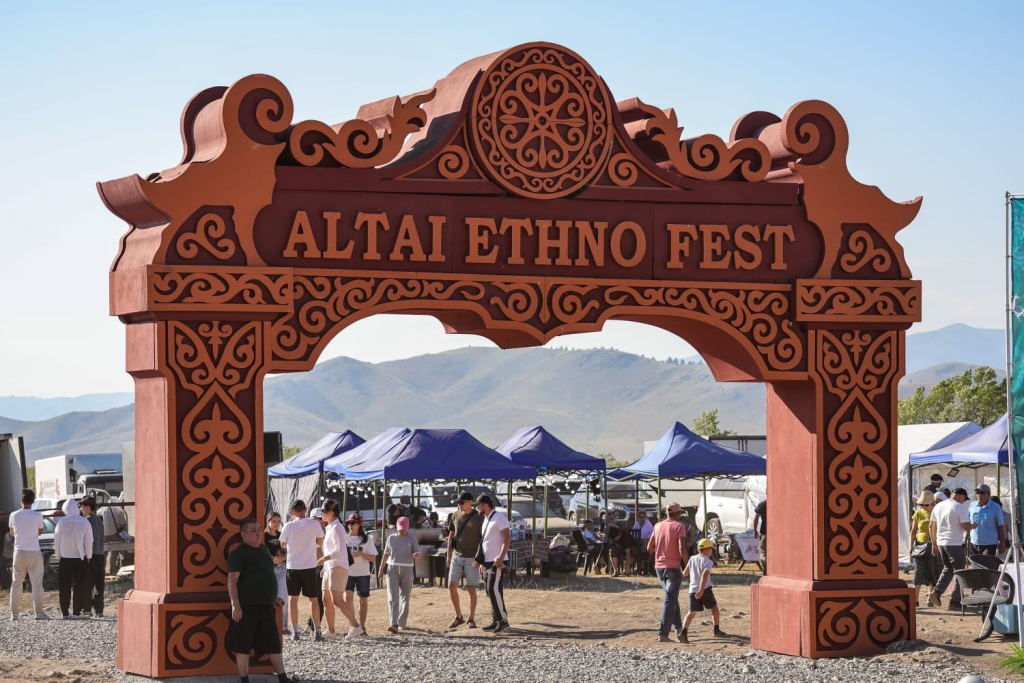
Schoolchildren from Katon-Karagai become english-speaking volunteers at international festival
During the festival “Altai: the golden cradle of the Turkic world,” 13 students of the S. Lastayev school in Katon-Karagai District, East Kazakhstan region, helped foreign guests find their way around the event venues and get to know the festival program.