From Ghana to Katon-Karagay: A Foreign Teacher Inspires Rural Students to Learn English and STEM
A unique educational project, "English for Children," aimed at expanding opportunities for rural schoolchildren in learning English, has been launched in Kazakhstan. For the first time, a foreign native speaker has come to a rural area to teach children and create a genuine English-speaking environment, furo.kz reports.
He will teach at the S. Lastaev School in the village of Katon-Karagay, East Kazakhstan Region, which has been a participant in the "Rural School Powered by NIS" project of the Education Development Support Fund since 2019.
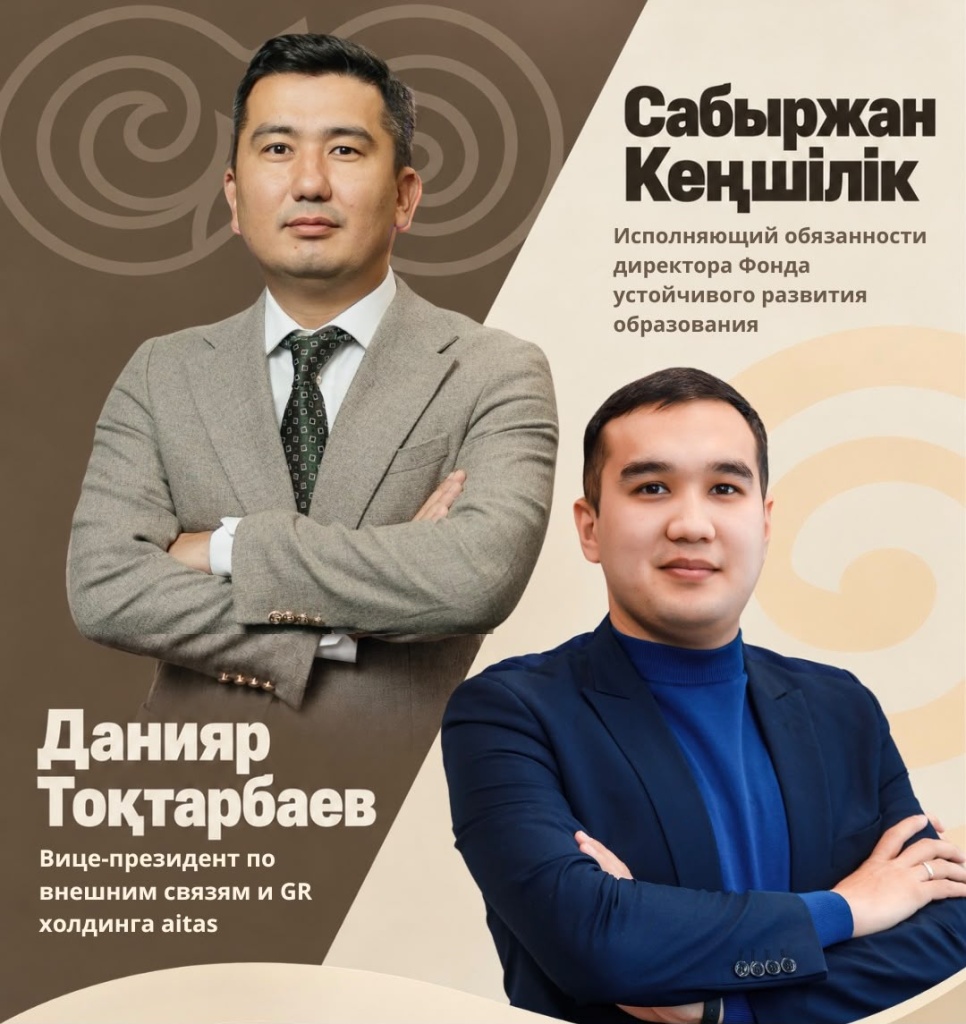
"Today, English is the key to global knowledge: the majority of scientific publications, technologies, and educational initiatives are conducted in it. However, rural schools in Kazakhstan still face a shortage of qualified personnel and the absence of an English-speaking environment," says Daniyar Toktarbayev, head of the Education Development Support Fund.
In response to this challenge, the Education Development Support Fund, with the support of Serik Tolukpaev, founder of the AITAS holding, launched the "English for Children" project, which provides for attracting foreign teachers, preparing students for international exams (IELTS, TOEFL), developing critical thinking, and introducing modern teaching methods.
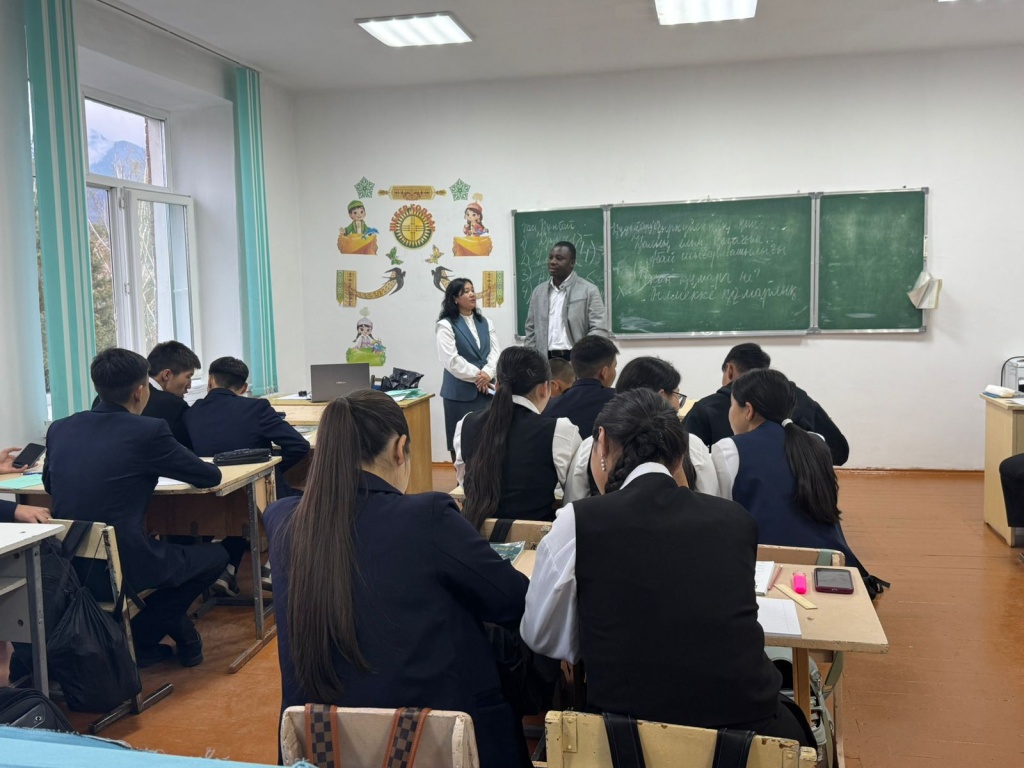
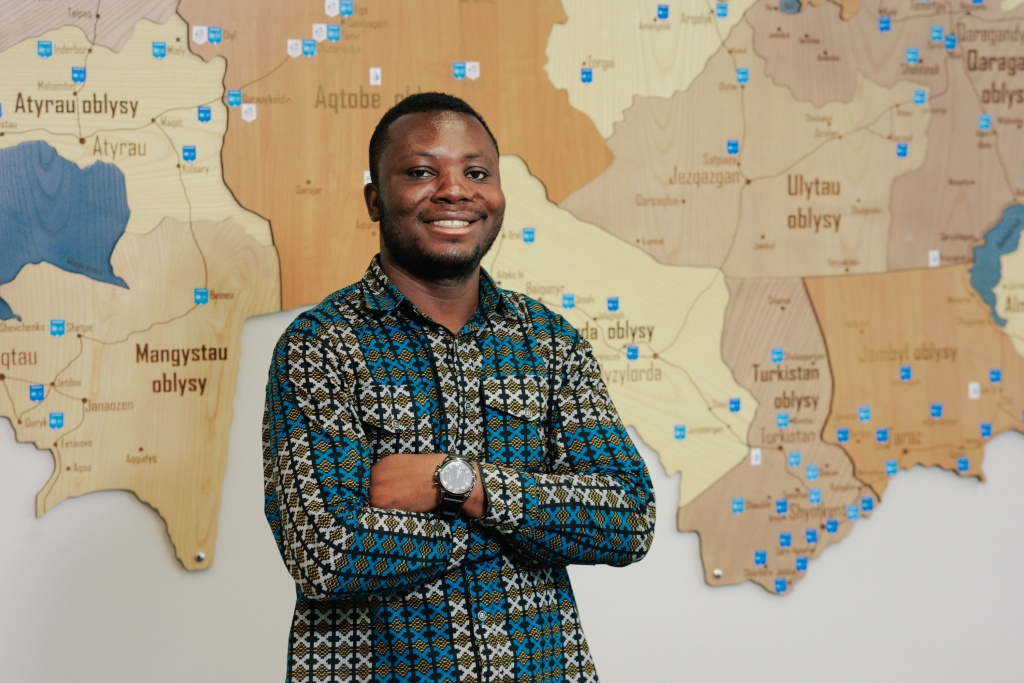
The first foreign teacher for the project is Ebenezer Yeboah Owusu from Ghana. He holds a Master's degree in Science Education and completed his PhD studies in Education at Nazarbayev University in 2025. Before coming to Kazakhstan, he taught biology, mathematics, and natural sciences in Ghana, participated in international conferences, and published in scientific journals. Before arriving in Kazakhstan, Ebenezer Yeboah Owusu taught primary school natural sciences and secondary school biology, and demonstrated how languages can be connected with other subjects:
"My research area is transdisciplinary education focused on STEAM. My background in science education allowed me to teach STEM concepts through art and languages. In the Kazakhstani context, we can use STEM to teach languages, and languages to teach STEM. This builds students' transdisciplinary literacy," says Ebenezer Yeboah Owusu.
The teacher from Ghana notes that he gladly accepted the invitation from the Education Development Support Fund because it aligns with his life mission.
"One of my goals is to advance education through the SDGs, and this project became precisely such an opportunity. I see Katon as a place where we can build global competencies through local resources, using nature as a teaching tool. It is both an enjoyment of nature and a learning process. As long as the project continues, depending on circumstances and its development, I see myself here for at least 2–3 years," says Ebenezer Oyewu.
The English learning project with native speakers is designed for 3 years, during which foreign teachers, alongside English, will also teach interdisciplinary areas and electives, involve schoolchildren in debates, theatrical performances, science clubs, summer camps, and online projects with foreign schools. This creates a full-fledged English-speaking environment, motivates children, and builds the skills necessary in the 21st century.
In the near future, it is planned to attract educators from the USA, Nigeria, the Philippines, and other countries to the initiative.
As a reminder, the Education Development Support Fund implements the educational strategies of AitasFoundation, which carries out the social mission of the AITAS holding. The fund's portfolio includes projects such as "Rural School Powered by NIS," "Enhancing the Potential of Resource Schools in Rural Areas," and "Google for Education"—a project to introduce Google educational tools into rural schools. In addition, the Fund is developing small-scale rural schools in the North Kazakhstan Region, and developing 50 resource schools in the Mangystau Region under the "Oltpan" project.