STEM, Google, and Resource Schools: Key Projects of the Education Development Support Fund
# News
28 July, 2025
EDSF Implements Large-Scale Initiatives to Modernize Education in Rural Regions — From Digitalization to Teacher Support
The Education Development Support Fund (EDSF) is implementing large-scale educational initiatives aimed at eliminating inequality in access to quality education, especially in rural regions. Below are the key projects that EDSF is launching or will continue to implement in the new academic year
Network of 200 Rural Resource Schools
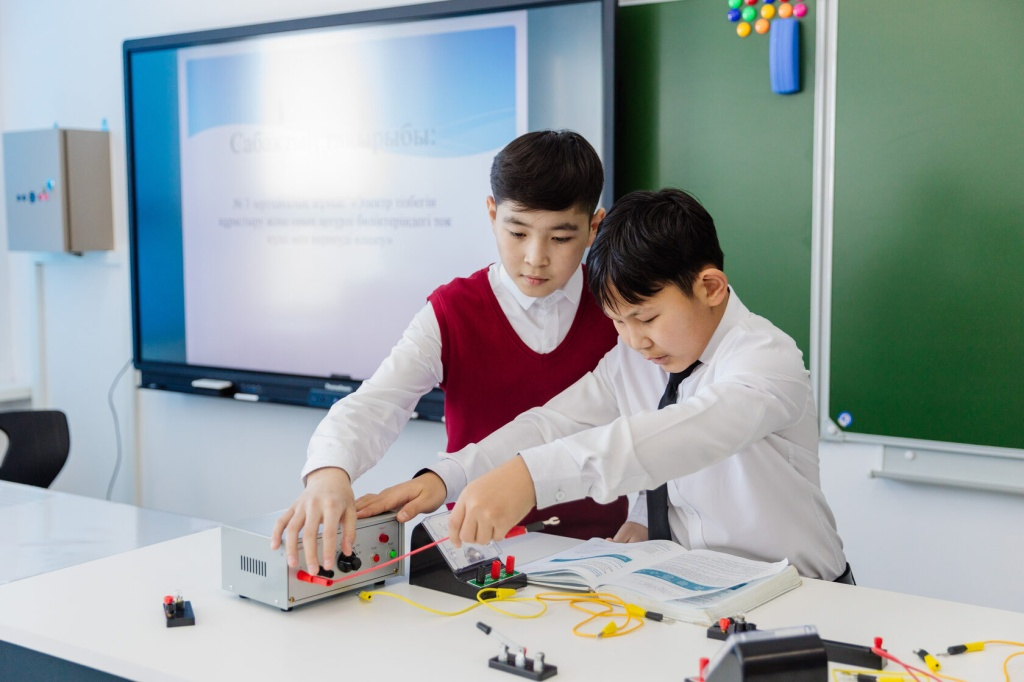
A flagship initiative to modernize rural education. Since 2019, the Fund, with the support of partners, has updated 135 schools across the country, covering over 100,000 students. Resource schools are becoming centers of growth: they receive modern equipment, methodological support from the AEO NIS, and disseminate successful practices to neighboring schools. In 2025, the third and final phase, covering 51 schools, is being completed.
Development of Small-Scale Schools Through Digital Technologies in the North Kazakhstan Region
The pilot project started in the Aktobe Region and proved the effectiveness of online interaction between resource and small-scale schools. This year, the model is being scaled up in the North Kazakhstan Region: 39 small-scale schools will receive digital and science classrooms, teachers will undergo in-depth training, and 13 resource schools will become agents of change in their districts.
The "Oltpan" Project in the Mangystau Region
A response to the acute demand in the region with the highest share of the child population. 50 resource schools in the region are participating in the "Oltpan" project: professional development for 7,000 teachers, methodological support from NIS and BIL, modernization of 625 classrooms, and the creation of 180 teacher spaces. The project was supported by major companies: Ordabasy Group, NC KazMunayGas JSC, Halyk Charitable Foundation, and NCOC.
STEM in Additional Education of the Karaganda Region
The goal of the project is to transform the system of additional education. Robotics, VR, media, and hydroponics laboratories are being established in 7 organizations. Teachers undergo training from partners Varwin, Artisan, and MediaSchool. The outcome is at least 26 new clubs, the modernization of 43 existing ones, and coverage of 7,000 children. This is a model planned for scaling to other regions.
Google for Education in Rural Schools
The project aims to transition from digitalization to digital pedagogy. A "paperless school" is being introduced in 16 schools across 13 regions—1,000 Chromebooks, training for 200 teachers, and the integration of AI tools. In the village of Uryl, obtaining Google Reference School status is planned as a precedent of success. Partners: Google, Lenovo, Stem Solutions, Orleu.
These initiatives show how a comprehensive approach and strategic partnership can transform education throughout Kazakhstan. Each project is a step toward eliminating inequality and building a sustainable, future-oriented system.
English in Rural Schools
A pilot project for teaching English in rural schools is launching at the S. Lastaev School in the village of Katon-Karagay. The Fund has attracted foreign teachers who will spend the next 3 years in the village teaching physics, STEM, and other subjects in English. The project is implemented with the support of AITAS Holding and businessman Serik Tolukpaev.
Другие новости
# News
10.10.2026
Sabyrzhan Kenshilik appointed acting director of FURO
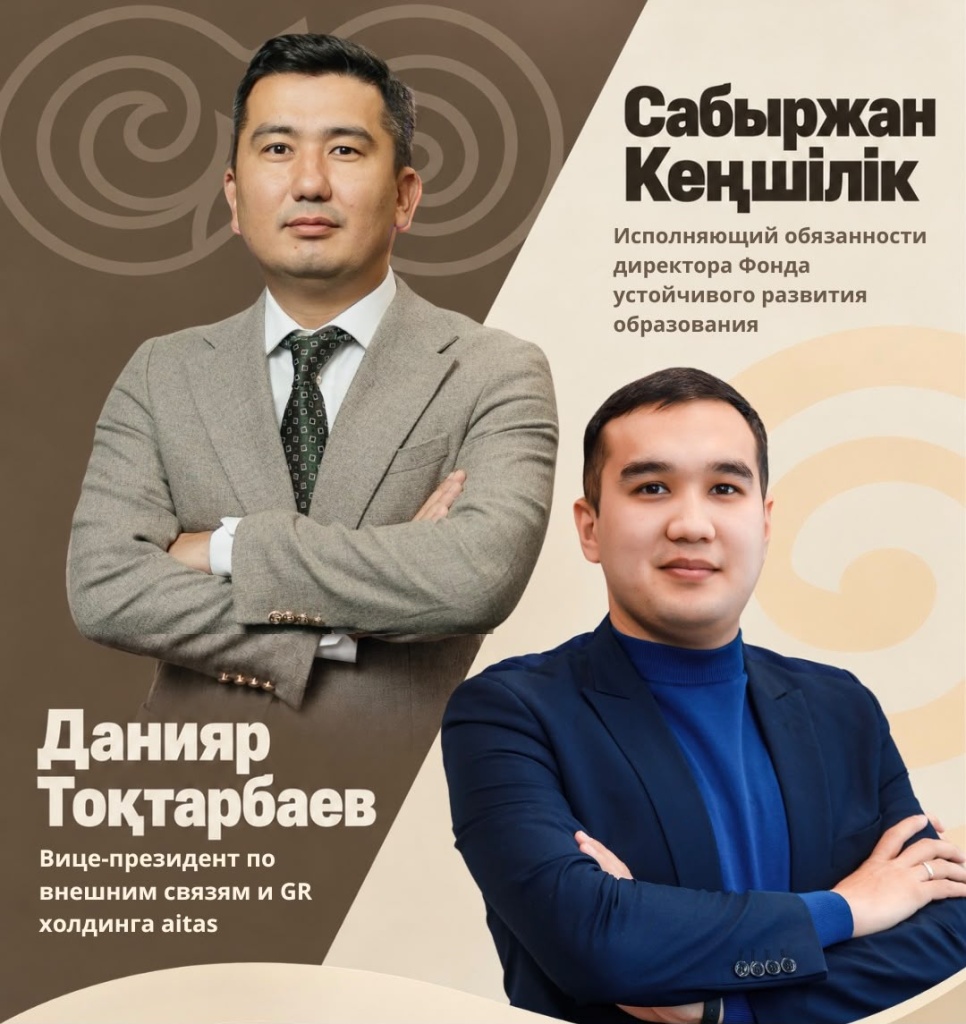
There have been personnel changes at the Foundation for sustainable development of education (FURO), part of the aitas foundation. Sabyrzhan Kenshilik, who previously headed the project “Capacity building of hub schools in rural areas,” has been appointed acting head of the fund.
# News
01.10.2026
Kazakhstan’s hub schools to get sports infrastructure worth 194 million tenge
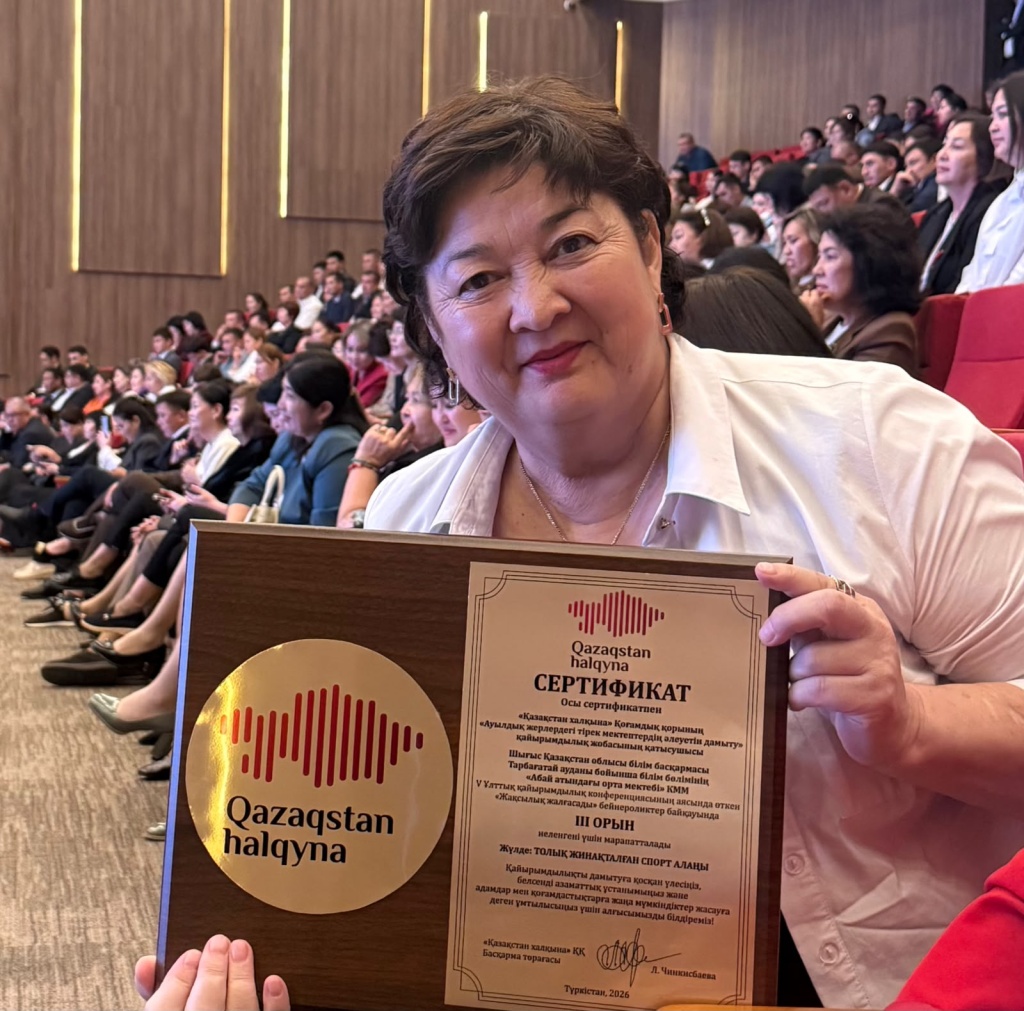
Three rural hub schools in Kazakhstan took all the prizes in the national video contest “Kindness continues,” organized by the Qazaqstan Halkyna fund. As a result of the contest, the schools will receive new sports facilities worth a total of 194 million tenge.
# News
15.07.2026
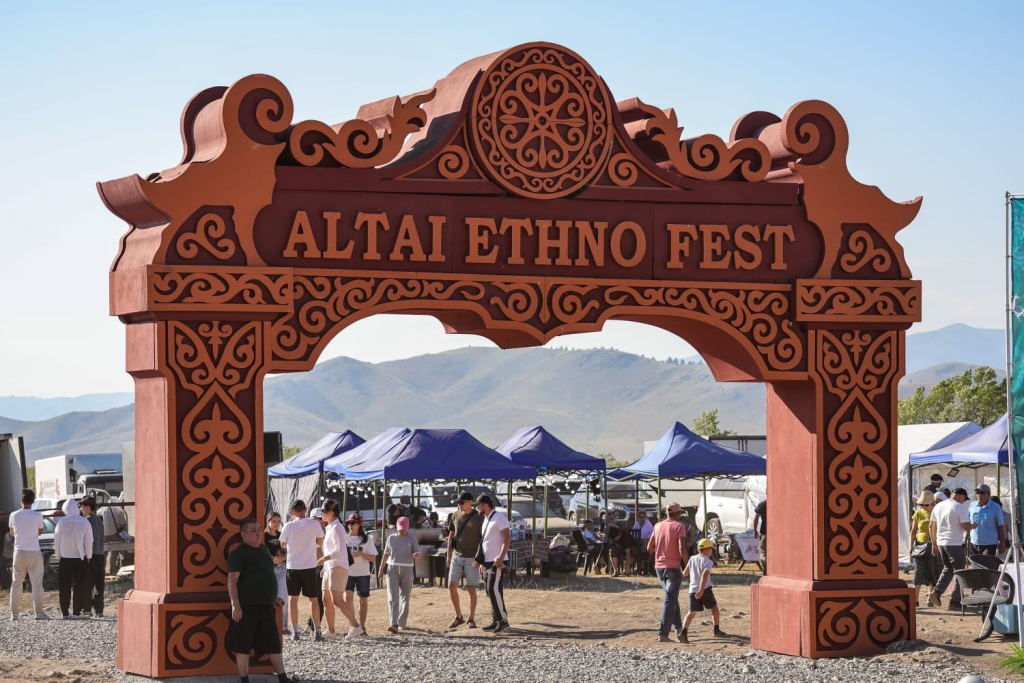
Schoolchildren from Katon-Karagai become english-speaking volunteers at international festival
During the festival “Altai: the golden cradle of the Turkic world,” 13 students of the S. Lastayev school in Katon-Karagai District, East Kazakhstan region, helped foreign guests find their way around the event venues and get to know the festival program.