Sustainable Development Goals: Kazakhstan's Experience in Healthcare, Education, and Regional Development
# Article
05 August, 2025
Kazakhstan is undergoing a transformation: sustainable development is moving beyond bureaucratic policy and taking root in the most remote regions. The country, previously associated with raw materials, is transitioning to a model where business, society, and government jointly implement global UN goals.
How the Country is Implementing the SDGs
Presented last week in New York, the Third Voluntary National Review (VNR-2025) is the result of the work of 5,000 participants: officials, NGOs, experts, entrepreneurs, and schoolchildren. The draft was hosted in the cloud with open access—a rare practice of public crowdsourcing for the region.
Since 2022, the Sustainable Development Goals (SDGs) have been integrated into the National Development Plan 2029 and the Carbon Neutrality Strategy 2060. In 2023, a parliamentary commission for monitoring the SDGs was established. Special emphasis is placed on localization—transferring global tasks to the regional level. Kazakhstan supplemented the five priority UN goals with three more, chosen based on public surveys, which highlights the importance of the regional level in implementing the agenda. SMEs play a major role in the economy: today they account for nearly 40% of GDP compared to 28% in 2018. Private sector participation in promoting the SDGs is also growing rapidly—the number of UN Global Compact participants has grown from 8 to 88 companies over three years. In the social sphere, the law on social entrepreneurship gave a start to growth: from 130 to 803 enterprises in two years.
Nevertheless, promoting the SDGs requires not only SME activity, but also systemic coordination from institutions that unite the efforts of the state, business, and society. The good news is that pioneers have already shown that profit and social benefit can converge like yin and yang, forming a new model where social and business activities work as a single entity.
Pioneer of SDG Localization
AITAS Holding is named as one of such practitioners—this is explicitly stated in the third National SDG Review: «Aitas Holding is a pioneer in localizing the SDGs in rural regions of Kazakhstan». The document emphasizes the partnership model of business, government, and society, where Aitas Foundation, which implements the Holding's social mission, combines three areas: the Rural Development Support Fund, the Education Development Support Fund, and the international conference Connected space.
The Rural Development Support Fund shapes the image of the future in the areas of economy, ecology, and social environment, the educational fund bridges the gap between urban and rural schools, and the international movement Connected Space sets the worldview focus: through the dialogue of cultures, technologies, and values, helping to move forward meaningfully. Together, these three areas form a new model of sustainable development that combines local solutions with a global perspective.
Of all the Sustainable Development Goals, perhaps SDG 3: Good Health and Well-being is the most tangible in everyday life. In Kazakhstan, the healthcare system was long divided into two worlds: modern hospitals in cities and understaffed outpatient clinics in villages. In recent years, as noted in the national review, a new model is taking shape: basic infrastructure is provided by the Ministry of Health, while local deficits are covered by NGOs, businesses, and regional funds.
One of the most effective partnership examples noted in Kazakhstan's Third Voluntary National Review (VNR) was implemented by the Aitas Foundation. In 2021-2023, the foundation provided grants ranging from 1.5 to 3 million tenge to rural entrepreneurs to launch biomaterial collection points, while the foundation's partners - KDL Olymp and INVIVO - waived lump-sum fees for grant program participants and conducted training for entrepreneurs.
Over three years, 20 points were opened in 9 regions, covering 20 districts that previously lacked access to basic diagnostics. The result is that residents can take tests right in the village, and receive results online. Diagnostics that used to take weeks and require a trip to the regional center now take hours. The project has also created more than 40 jobs for nurses and laboratory assistants.
The foundation's case has become a model of synergy: the foundation provided starting capital, business shared expertise, and local entrepreneurs implemented the project on the ground—that very harmony of roles that creates sustainable solutions.
Strategic planning is at the core of other foundation initiatives as well, including in education under SDG 4. Kazakhstan still faces a gap in educational quality between urban and rural areas. Although PISA studies record gradual improvements, systemic inequality remains. In response to this challenge, the Aitas Foundation developed a strategy to create a national network of resource schools and launched a large-scale countrywide project aimed at closing the gap and providing rural children with access to quality education.
The sustainability of educational projects is ensured by combining the efforts of society, business, and the state. Thus, the partnership with the "Қазақстан халқына" Foundation, the Ministry of Education, and NIS made it possible to scale the educational strategy nationwide.
Over six years of work, the Foundation's projects have covered more than 350 schools in remote villages and district centers. This has helped close several critical gaps: the shortage of qualified personnel, limited access to modern educational platforms, and the lack of connections with international human capital development programs.
If healthcare makes the village livable, tourism provides an opportunity to earn a living. In the National Development Plan 2029, tourism is classified as a priority sector: in 2023, its contribution to the economy amounted to 1.184 trillion tenge—almost three times more than in 2020. In the context of SDG 8, decent work and economic growth, tourism is becoming an important mechanism for rural development.
The review highlights the Katon-Karagay District as one of the key cases, included in the WWF list of 200 priority ecoregions of the world. In 2019, local entrepreneurs founded the Katon-Karagay District Sustainable Development Fund, which has implemented over 100 projects worth 987 million tenge: microgrants for converting houses into guest houses, the Hospitality School, and other local initiatives. 65 beds were created, and one family in the village of Berel earned about 1 million tenge in a single season.
The project brought the district 3rd place in the Green Destinations Top100 Story Awards ranking in Berlin in 2024. Experts noted its scalability when partnering with government, society, and business. This shift—from vertical to synergy—is the main vector captured by VNR-2025.
How the Country is Implementing the SDGs
Presented last week in New York, the Third Voluntary National Review (VNR-2025) is the result of the work of 5,000 participants: officials, NGOs, experts, entrepreneurs, and schoolchildren. The draft was hosted in the cloud with open access—a rare practice of public crowdsourcing for the region.
Since 2022, the Sustainable Development Goals (SDGs) have been integrated into the National Development Plan 2029 and the Carbon Neutrality Strategy 2060. In 2023, a parliamentary commission for monitoring the SDGs was established. Special emphasis is placed on localization—transferring global tasks to the regional level. Kazakhstan supplemented the five priority UN goals with three more, chosen based on public surveys, which highlights the importance of the regional level in implementing the agenda. SMEs play a major role in the economy: today they account for nearly 40% of GDP compared to 28% in 2018. Private sector participation in promoting the SDGs is also growing rapidly—the number of UN Global Compact participants has grown from 8 to 88 companies over three years. In the social sphere, the law on social entrepreneurship gave a start to growth: from 130 to 803 enterprises in two years.
Nevertheless, promoting the SDGs requires not only SME activity, but also systemic coordination from institutions that unite the efforts of the state, business, and society. The good news is that pioneers have already shown that profit and social benefit can converge like yin and yang, forming a new model where social and business activities work as a single entity.
Pioneer of SDG Localization
AITAS Holding is named as one of such practitioners—this is explicitly stated in the third National SDG Review: «Aitas Holding is a pioneer in localizing the SDGs in rural regions of Kazakhstan». The document emphasizes the partnership model of business, government, and society, where Aitas Foundation, which implements the Holding's social mission, combines three areas: the Rural Development Support Fund, the Education Development Support Fund, and the international conference Connected space.
The Rural Development Support Fund shapes the image of the future in the areas of economy, ecology, and social environment, the educational fund bridges the gap between urban and rural schools, and the international movement Connected Space sets the worldview focus: through the dialogue of cultures, technologies, and values, helping to move forward meaningfully. Together, these three areas form a new model of sustainable development that combines local solutions with a global perspective.
Of all the Sustainable Development Goals, perhaps SDG 3: Good Health and Well-being is the most tangible in everyday life. In Kazakhstan, the healthcare system was long divided into two worlds: modern hospitals in cities and understaffed outpatient clinics in villages. In recent years, as noted in the national review, a new model is taking shape: basic infrastructure is provided by the Ministry of Health, while local deficits are covered by NGOs, businesses, and regional funds.
One of the most effective partnership examples noted in Kazakhstan's Third Voluntary National Review (VNR) was implemented by the Aitas Foundation. In 2021-2023, the foundation provided grants ranging from 1.5 to 3 million tenge to rural entrepreneurs to launch biomaterial collection points, while the foundation's partners - KDL Olymp and INVIVO - waived lump-sum fees for grant program participants and conducted training for entrepreneurs.
Over three years, 20 points were opened in 9 regions, covering 20 districts that previously lacked access to basic diagnostics. The result is that residents can take tests right in the village, and receive results online. Diagnostics that used to take weeks and require a trip to the regional center now take hours. The project has also created more than 40 jobs for nurses and laboratory assistants.
The foundation's case has become a model of synergy: the foundation provided starting capital, business shared expertise, and local entrepreneurs implemented the project on the ground—that very harmony of roles that creates sustainable solutions.
Strategic planning is at the core of other foundation initiatives as well, including in education under SDG 4. Kazakhstan still faces a gap in educational quality between urban and rural areas. Although PISA studies record gradual improvements, systemic inequality remains. In response to this challenge, the Aitas Foundation developed a strategy to create a national network of resource schools and launched a large-scale countrywide project aimed at closing the gap and providing rural children with access to quality education.
As part of the strategy, countrywide projects for the development of resource schools were launched, for which more than 50 billion tenge in private investments from funds and big business was attracted. All funds are directed toward modernizing educational infrastructure and professional development for teachers. Over five years, more than 190 rural schools across 17 regions of the country have participated in educational programs. More than 170,000 students and 17,000 teachers have been involved, classrooms modernized, and new approaches and tools for improving educational quality introduced,” the review notes.
The sustainability of educational projects is ensured by combining the efforts of society, business, and the state. Thus, the partnership with the "Қазақстан халқына" Foundation, the Ministry of Education, and NIS made it possible to scale the educational strategy nationwide.
Over six years of work, the Foundation's projects have covered more than 350 schools in remote villages and district centers. This has helped close several critical gaps: the shortage of qualified personnel, limited access to modern educational platforms, and the lack of connections with international human capital development programs.
If healthcare makes the village livable, tourism provides an opportunity to earn a living. In the National Development Plan 2029, tourism is classified as a priority sector: in 2023, its contribution to the economy amounted to 1.184 trillion tenge—almost three times more than in 2020. In the context of SDG 8, decent work and economic growth, tourism is becoming an important mechanism for rural development.
The review highlights the Katon-Karagay District as one of the key cases, included in the WWF list of 200 priority ecoregions of the world. In 2019, local entrepreneurs founded the Katon-Karagay District Sustainable Development Fund, which has implemented over 100 projects worth 987 million tenge: microgrants for converting houses into guest houses, the Hospitality School, and other local initiatives. 65 beds were created, and one family in the village of Berel earned about 1 million tenge in a single season.
The project brought the district 3rd place in the Green Destinations Top100 Story Awards ranking in Berlin in 2024. Experts noted its scalability when partnering with government, society, and business. This shift—from vertical to synergy—is the main vector captured by VNR-2025.
Другие новости
# News
10.10.2026
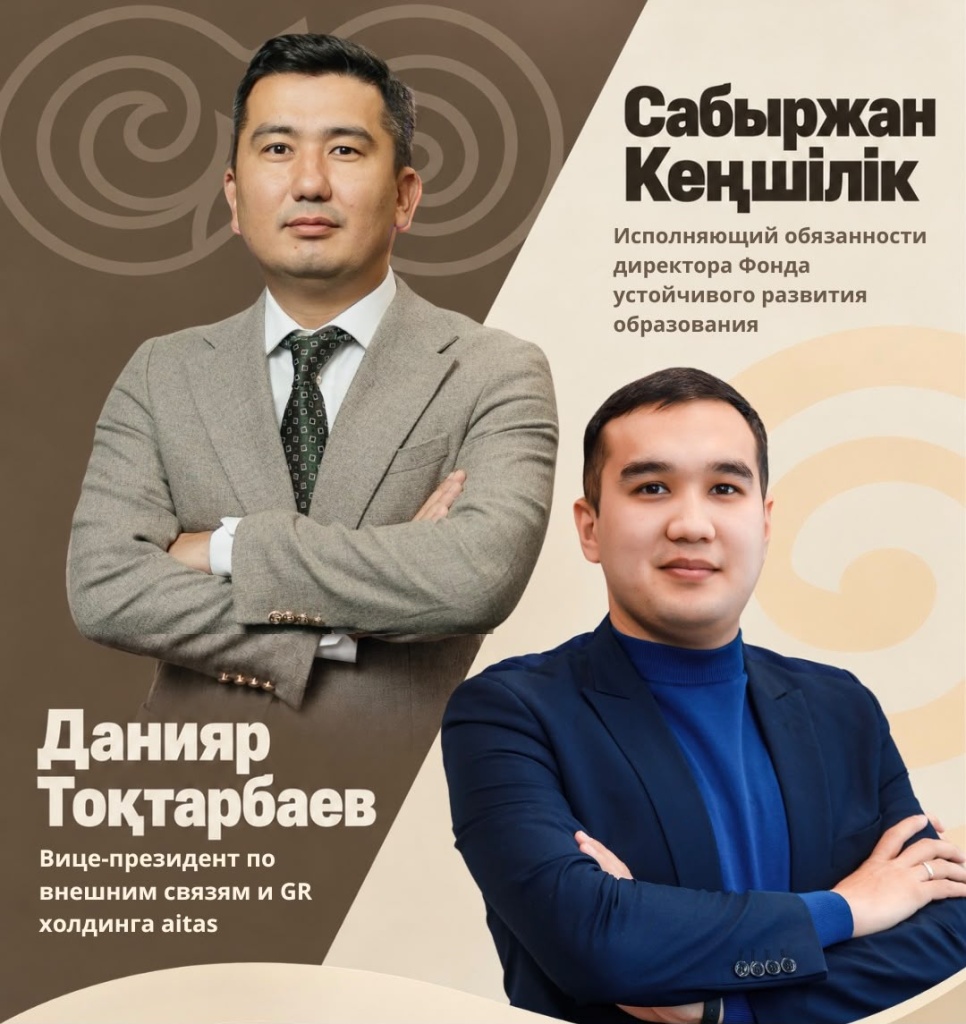
Sabyrzhan Kenshilik appointed acting director of FURO
There have been personnel changes at the Foundation for sustainable development of education (FURO), part of the aitas foundation. Sabyrzhan Kenshilik, who previously headed the project “Capacity building of hub schools in rural areas,” has been appointed acting head of the fund.
# News
01.10.2026
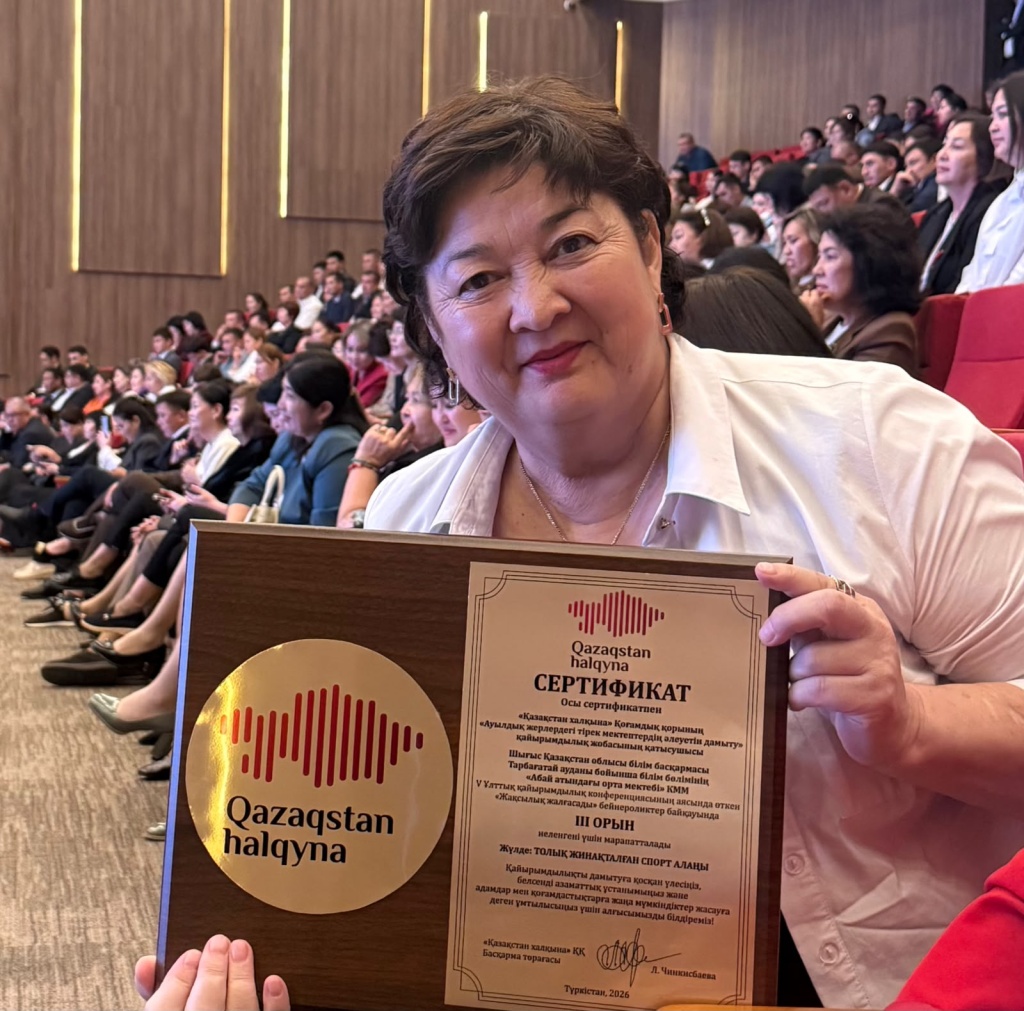
Kazakhstan’s hub schools to get sports infrastructure worth 194 million tenge
Three rural hub schools in Kazakhstan took all the prizes in the national video contest “Kindness continues,” organized by the Qazaqstan Halkyna fund. As a result of the contest, the schools will receive new sports facilities worth a total of 194 million tenge.
# News
15.07.2026
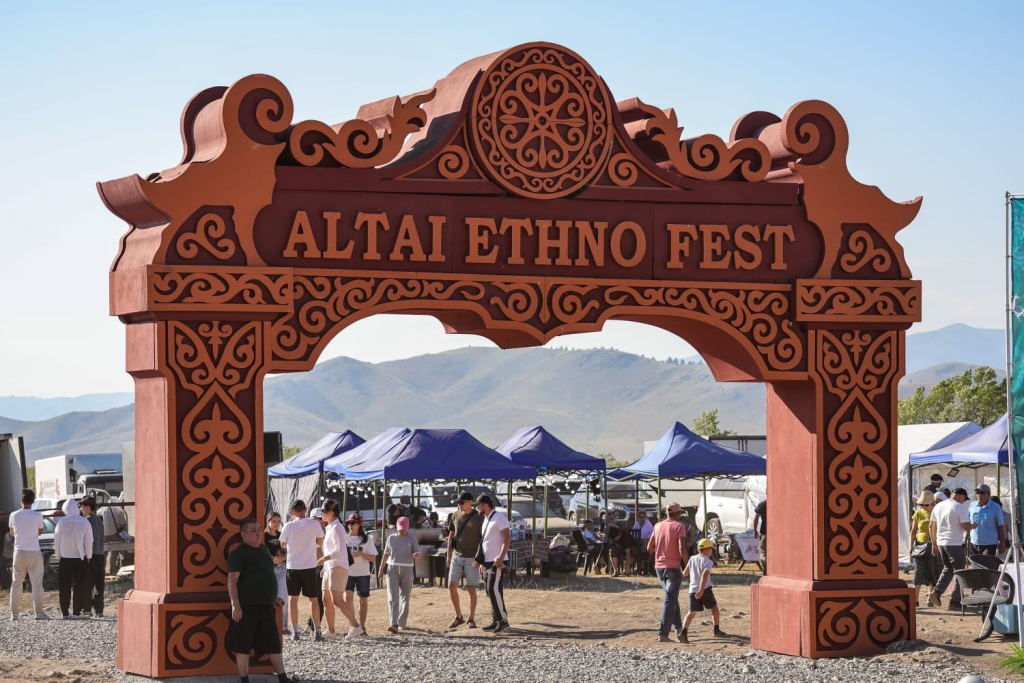
Schoolchildren from Katon-Karagai become english-speaking volunteers at international festival
During the festival “Altai: the golden cradle of the Turkic world,” 13 students of the S. Lastayev school in Katon-Karagai District, East Kazakhstan region, helped foreign guests find their way around the event venues and get to know the festival program.